
From September 14 to 18, 2026, a delegation from the Republic of Moldova undertook a study visit to Washington, D.C., and Baltimore, focusing on the enforcement of intellectual property rights in the United States. The delegation included representatives of the institutions that are members of the Observatory on Enforcement of Intellectual Property Rights, including Eugeniu Rusu, the representative of the State Agency on Intellectual Property (AGEPI).
The visit was organized by the U.S. Department of State, through the Bureau of International Narcotics and Law Enforcement Affairs (INL), with logistical support from the National Center for State Courts. Its objective was to gain insight into the American experience in combating counterfeiting and piracy, in a format that brought together public authorities, the judiciary, the private sector, and academic environment.
The program included meetings with institutions involved in the investigation and prosecution of intellectual property rights infringements: the Federal Bureau of Investigation (FBI), the Department of Justice’s Computer Crime and Intellectual Property Section (CCIPS), and Homeland Security Investigations (HSI). The delegation also visited the U.S. District Court for the District of Columbia, where they attended a criminal hearing and learned about the court’s organization.
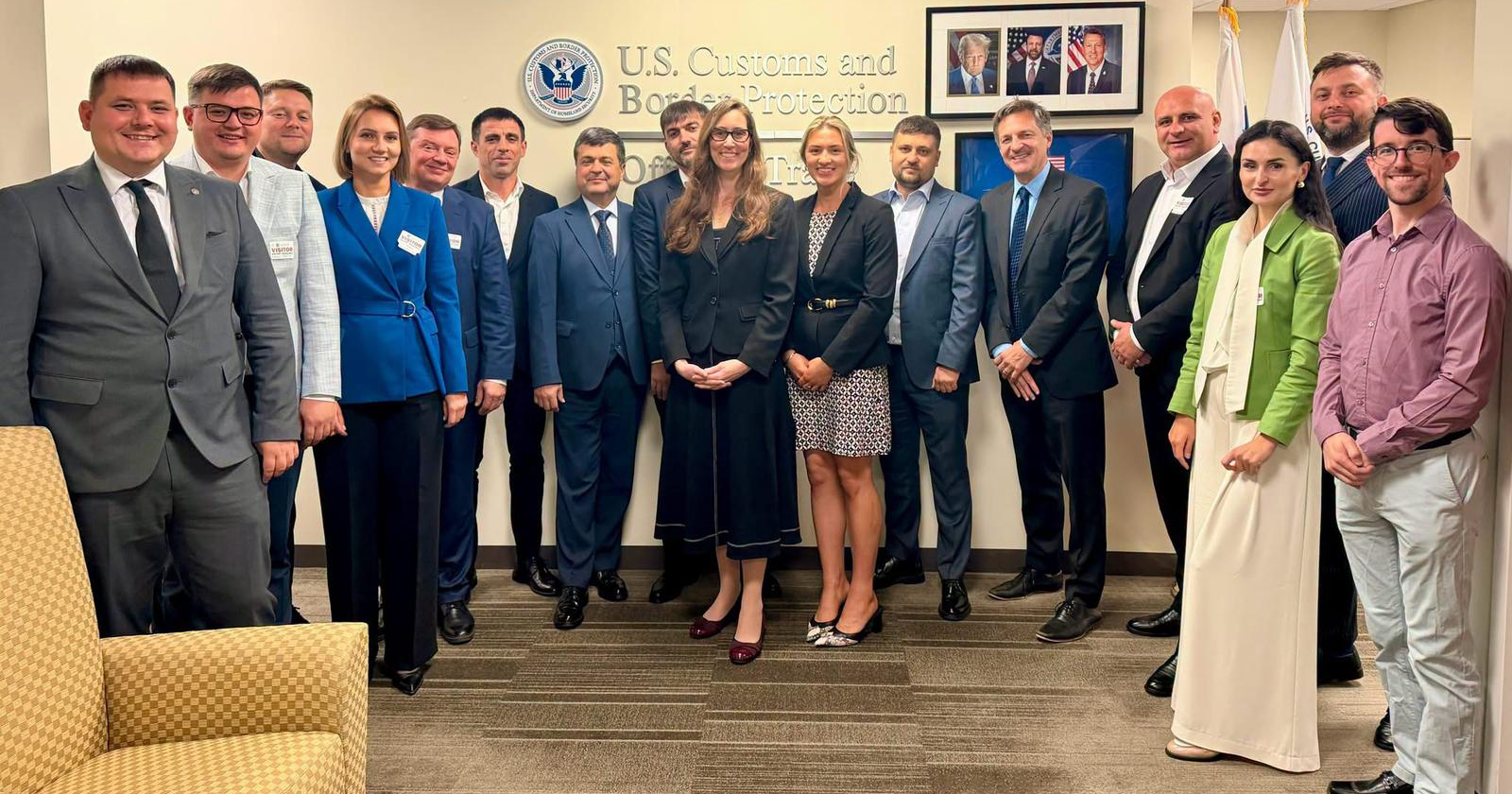
A significant part of the program was dedicated to border control. A briefing on the institution’s activities was held at the central headquarters of the Customs and Border Protection Authority (CBP), while at the Port of Baltimore, the delegation visited the warehouse and maritime terminals and watched a demonstration of non-intrusive cargo inspection.
Delegation members also met with representatives from the U.S. Patent and Trademark Office (USPTO), the Global Intellectual Property Academy, and American University, Washington College of Law. Meetings with representatives of the Department of State, Gilead, Amazon companies, and PhRMA assotiation highlighted the ways in which rightholders and online platforms contribute to combating counterfeiting.
The experience gained during the visit will support capacity building for Moldovan institutions responsible for intellectual property rights enforcement, facilitate the exchange of best practices, and contribute to improving interinstitutional cooperation in preventing and combating counterfeiting and piracy.
The knowledge and information acquired will be used to enhance measures for preventing and combating intellectual property rights infringements.
 [1]
[1]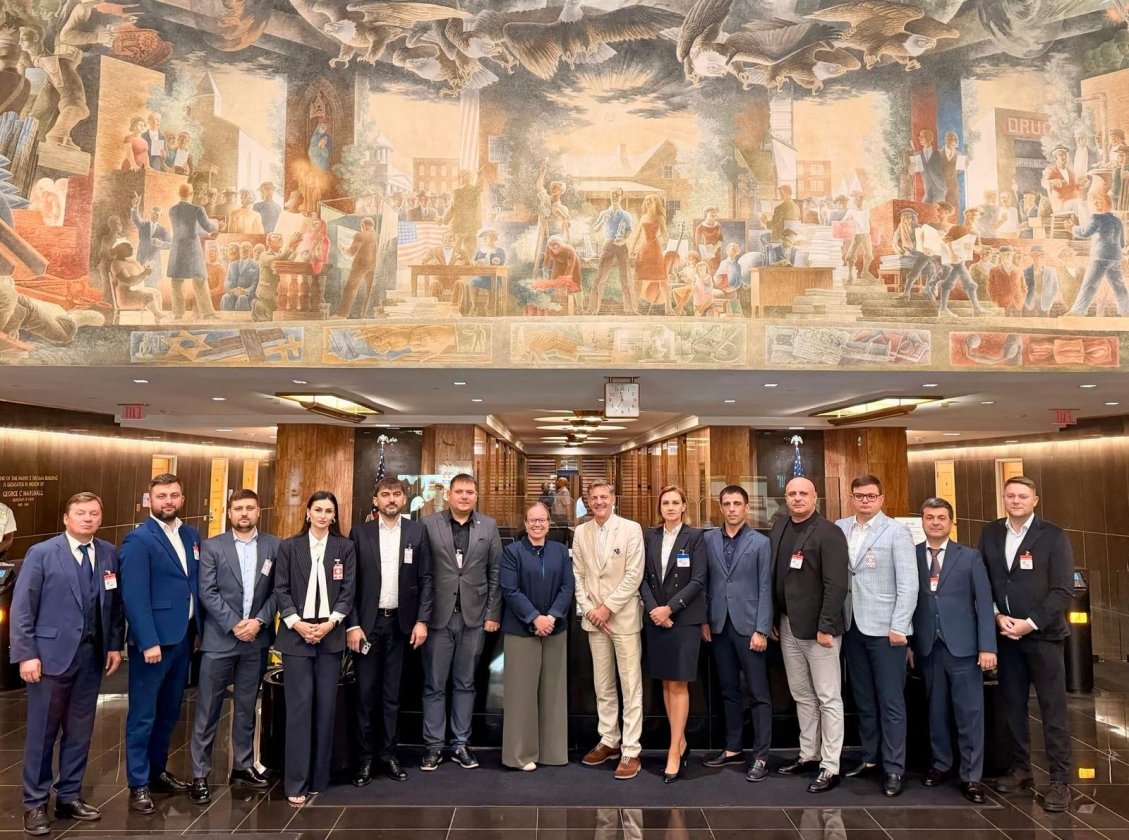 [2]
[2]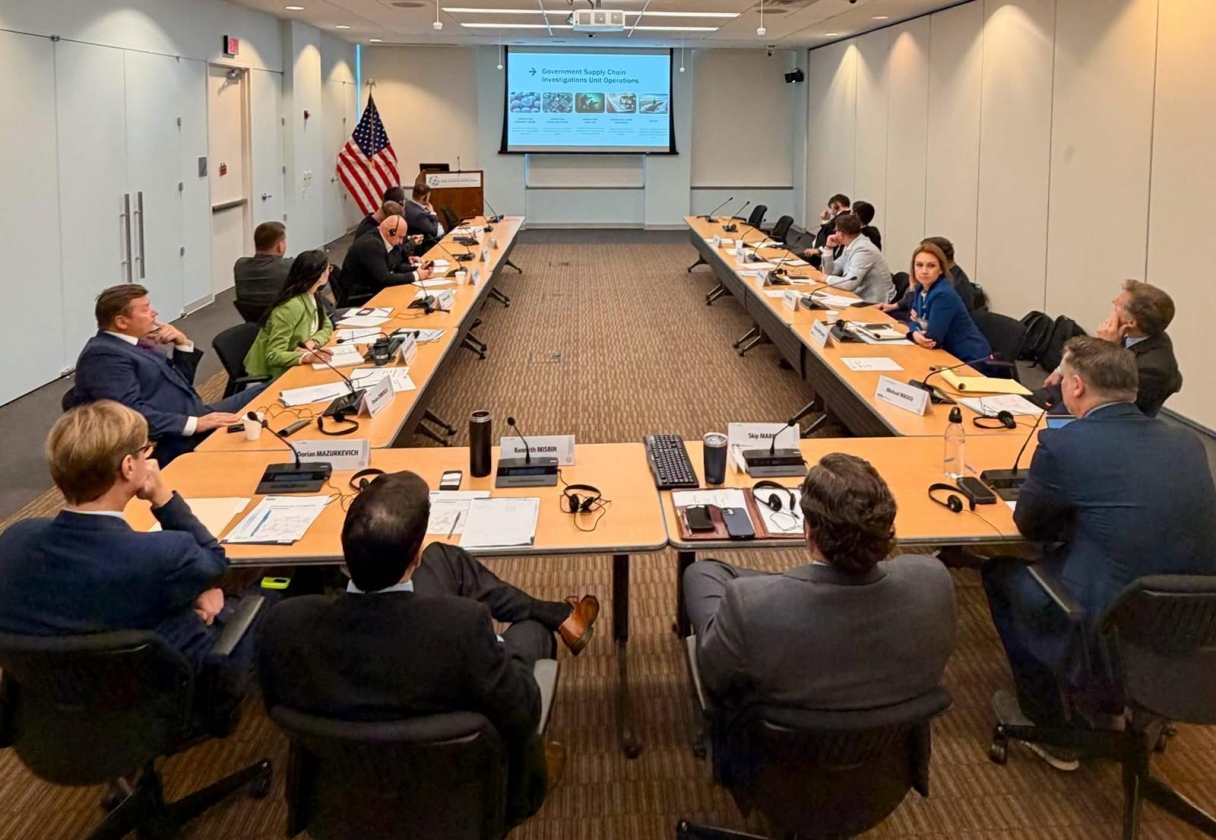 [3]
[3] [4]
[4]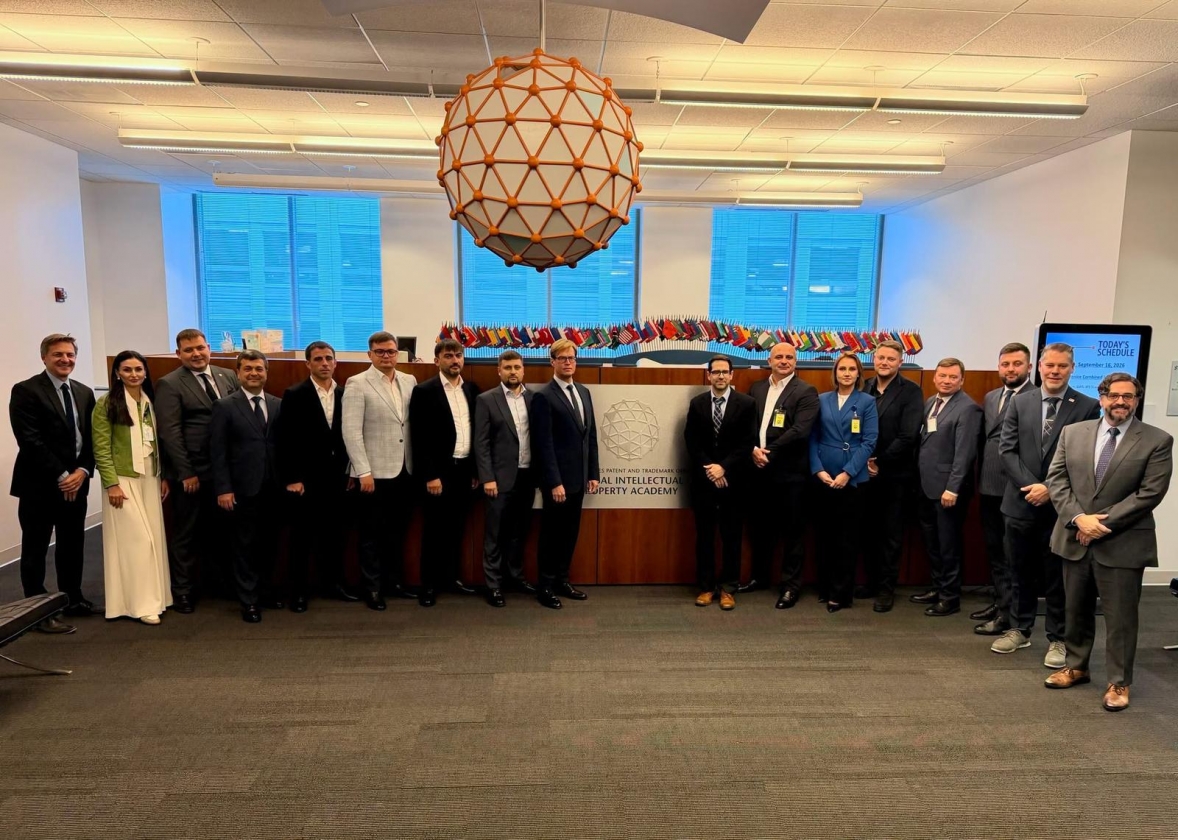 [5]
[5]